
What we believe
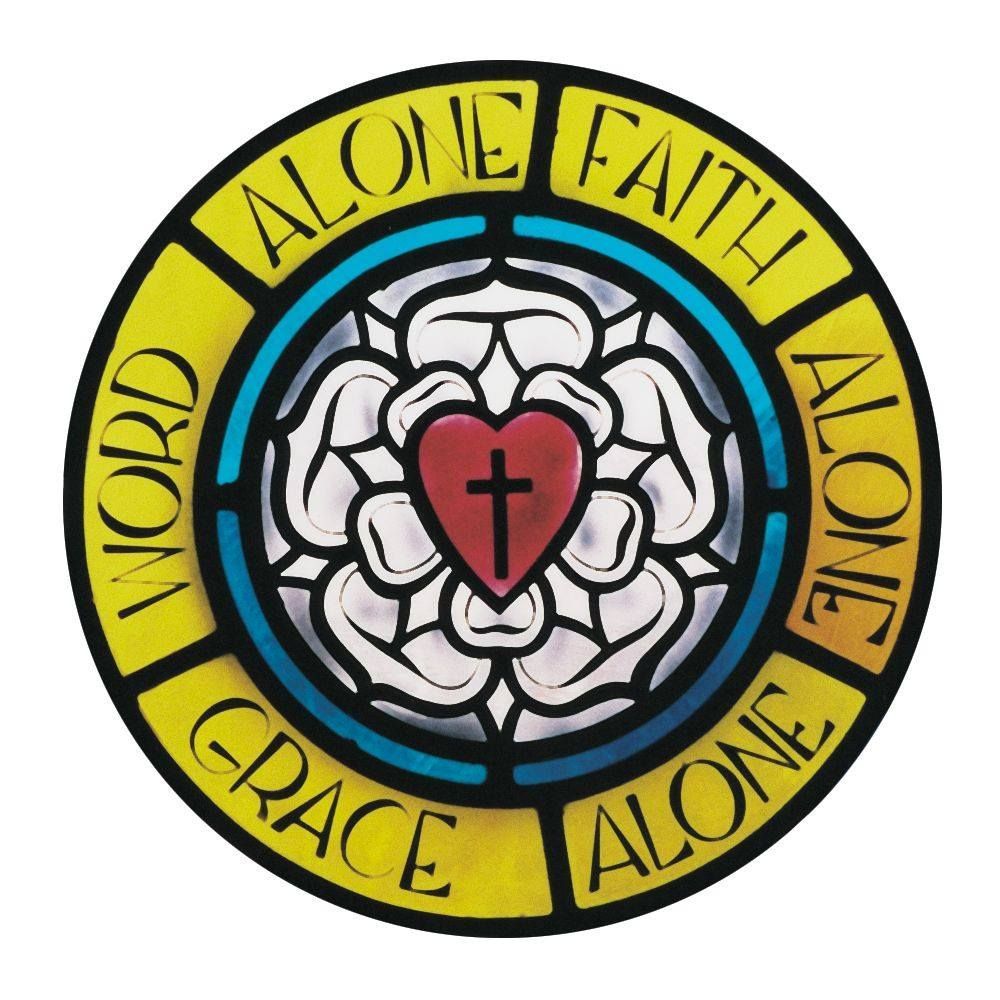
The Lutheran Church has its roots in the Protestant Reformation.
On October 31, 1517, a young German monk named Martin Luther compiled a list of things he questioned about church teachings at the time. Thanks to a new invention – the printing press – within weeks people all over Europe were asking the same questions, an event known as “The Protestant Reformation.”
Luther continued to challenge church authorities, insisting that salvation could not be earned or bought. He insisted salvation was a gift and sign of God’s never-ending love. Eventually, he was forced out of the established church. As more people “protested” they formed a new movement, and became known as “Protestants.”
To defend their views, Luther and other early reformers wrote extensively. Many of their documents, (like the Augsburg Confession) are compiled in “The Book of Concord.” It includes Luther’s Small Catechism, still the basis of teaching our beliefs to young people or anyone interested in joining a Lutheran church.
Lutherans believe the Holy Scriptures of the Old and New Testaments to be the inspired Word of God, pointing us toward the life, death, and resurrection of Jesus.
The biblical basis of Lutheran belief is: “For by grace you have been saved through faith, and this is not your own doing; it is the gift of God – not the result of works, so that no one may boast”. (Ephesians 2:8-9 NRSV)
We believe that all people are imperfect and are saved (made right with God) by God’s grace and God’s grace alone, through Jesus Christ. Through the life, death, and resurrection of Jesus, we believe God becomes one of us. In his life and ministry, we see how to live our lives. By taking the brokenness and pain of all the world upon himself in his death, Jesus demonstrates God’s love for us. And by raising Jesus from the dead, God shows us that death has no power over us.
We live in the tension of still being sinful, but faithfully trusting that we are forgiven and that God is at work in us. The gift of grace expresses God’s unconditional love. In response to that amazing love we are set free to live gratefully and lovingly. Empowered by the Holy Spirit, we share the Good News (‘the Gospel’) with the entire world.
stay up TO date
Saskatchewan synod's LATEST
Receive bi-weekly updates from the Synod, and get a heads up on upcoming events.

stay up TO date
Saskatchewan synod's LATEST
Receive bi-weekly updates from the Synod, and get a heads up on upcoming events.